
High-Potency THC Resources
The Realities of THC in 2026:
It's Not the Stuff You Grew Up With
Today’s cannabis is fundamentally different from what previous generations experienced. If you used marijuana in the 1970s or 1980s, you encountered a plant containing 2-3% THC. By 2000, average THC levels had climbed to around 5%. Fast forward to 2026, and the landscape has transformed dramatically. According to research from Johnny’s Ambassadors, today’s average THC concentration in cannabis flower has reached 18.8%, with concentrates averaging a staggering 69.4% THC—some products reach up to 95-99% pure THC.
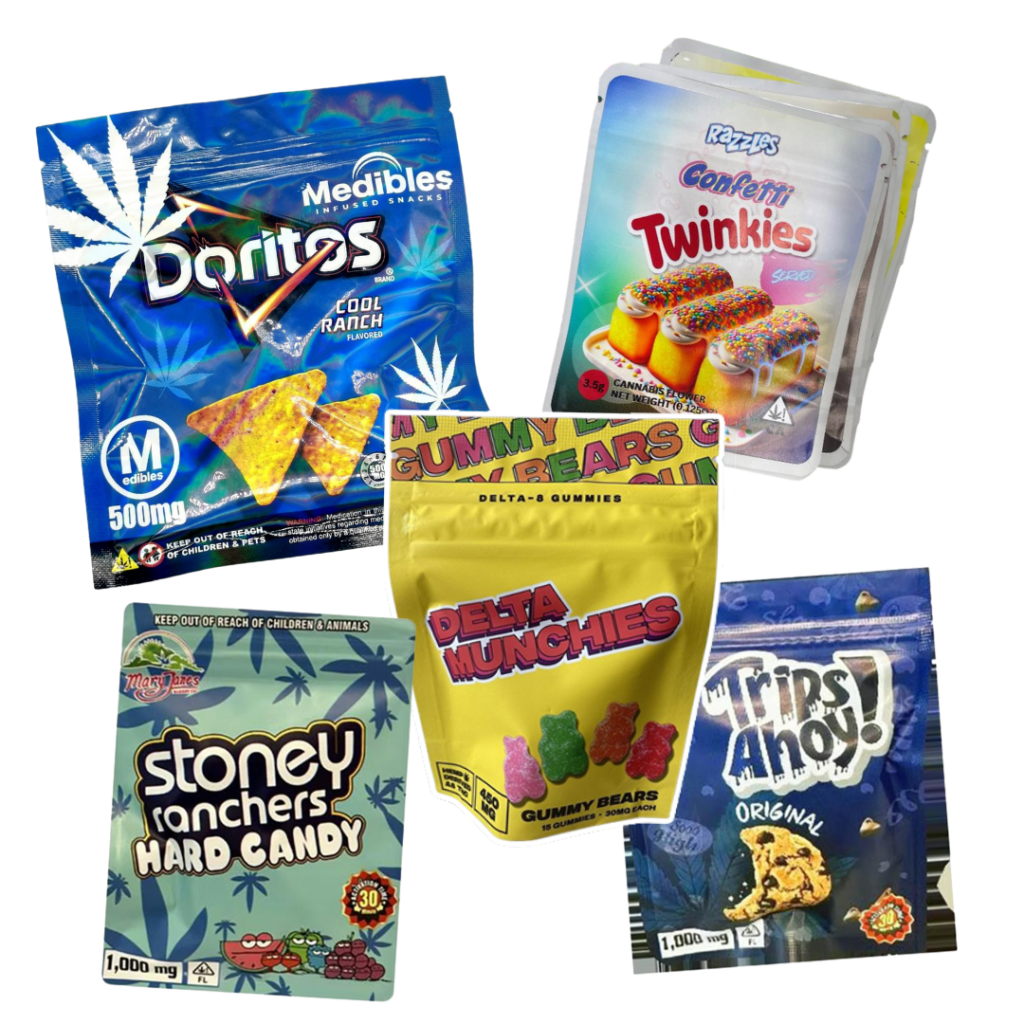
The delivery methods have evolved just as dramatically as the potency. While traditional smoking remains common, young people now have access to vape pens, dabs, wax, shatter, and edibles that deliver concentrated doses of THC far exceeding anything available in previous decades. These high-potency products are particularly appealing to adolescents because they’re discreet, often odorless, and come in colorful, youth-friendly packaging that mimics popular candy brands. Research from a 2020-2021 study analyzing 256 cannabis edible packages found that 15% resembled product knockoffs of familiar brands, 23% contained cartoon characters or creatures, and 91% featured flavor descriptions—all elements specifically attractive to young users. The products themselves range from gummy bears and chocolate bars to flavored vape cartridges, making them appear less threatening than they actually are.
What makes today’s high-potency THC particularly concerning is the relationship between concentration and harm. A systematic review published in 2025 found that products containing at least 10% THC were associated with a 70% increased risk of psychosis or schizophrenia and a 75% increased risk of cannabis use disorder compared to lower potency products. This isn’t your parents’ marijuana—it’s a fundamentally different substance with fundamentally different risks. The commercialization of cannabis has prioritized profit over safety, with producers breeding out protective compounds like CBD while maximizing THC content to create more addictive products. According to the 2024 National Survey on Drug Use and Health (NSDUH), these increasingly potent products are becoming more accessible to young people at a time when their developing brains are most vulnerable to lasting damage.
THC and the Adolescent Brain
The adolescent brain continues developing until the mid-20s, with the prefrontal cortex—responsible for decision-making, impulse control, and emotional regulation—among the last regions to mature. Cannabis use during this critical period disrupts fundamental brain development processes. Research published in JAMA found that adolescent cannabis use causes accelerated cortical thinning in prefrontal regions, essentially interfering with the brain’s natural maturation.
Mental Health Impacts:
Cannabis use during adolescence significantly increases risk of:
- Depression: 37% increased risk
- Anxiety disorders: 18% increased risk
- Suicidal ideation: Significantly elevated in young adulthood
- Amotivational syndrome: Reduced drive, difficulty concentrating, and loss of interest in previously enjoyed activities, stemming from THC’s disruption of the brain’s reward system
The Psychosis Connection:
- A 2023 Danish study estimates that up to 30% of schizophrenia cases among young men aged 21-30 might have been prevented by avoiding cannabis use disorder
- Teens using high-potency cannabis (ages 16-18) are twice as likely to experience psychotic episodes by ages 19-24
- Males aged 14-18 with cannabis-induced psychosis have a 41% likelihood of developing schizophrenia within three years
- 2024 research from McGill University found marked decreases in synaptic density (brain cell connections) in at-risk youth who used cannabis
These cases represent a growing public health crisis as high-potency products become increasingly available to young people whose brains are still forming the neural architecture they’ll rely on for life.
Is THC Addictive? What Are the Signs?
Yes, THC is addictive, and the addiction potential has increased alongside rising potency levels. According to the National Institute on Drug Abuse, approximately 9% of people who use marijuana will become dependent on it, but that rate jumps to 17% for those who start using during adolescence and rises to 25-50% among daily users. With today’s high-potency products, these rates are likely even higher.
Cannabis Use Disorder (CUD) is a recognized medical condition characterized by continued use despite negative consequences, and research shows that about 29% of individuals who use cannabis for medical purposes meet the criteria for CUD. Early recognition and intervention are crucial, particularly for adolescents whose developing brains are at greatest risk.
- Tolerance: Needing increasingly larger amounts to achieve the same effect
- Withdrawal symptoms (typically peak 3-5 days after stopping):
- Irritability and mood swings
- Sleep difficulties or insomnia
- Decreased appetite
- Restlessness and anxiety
- Physical discomfort (headaches, sweating, chills)
- Intense cravings for cannabis
- Bloodshot or glazed eyes
- Changes in sleep patterns (sleeping at unusual times, difficulty maintaining normal schedule)
- Increased appetite, especially at odd hours (“the munchies”)
- Distinctive smell on clothing, in car, or bedroom
Changes in daily functioning:
- Declining performance: Dropping grades, missing school/work, inability to complete tasks
- Loss of motivation: No interest in activities they once enjoyed (sports, hobbies, socializing)
- Changed priorities: Spending significant time obtaining, using, or recovering from cannabis
- Using more than intended: Unable to control or reduce use despite wanting to
- Failed quit attempts: Repeatedly trying and failing to cut back or stop
- Continued use despite problems: Using even when it’s clearly causing issues
- New friend groups: Gravitating primarily toward other users
- Secretive behavior: Lying about whereabouts, activities, or money
- Social withdrawal: Isolating from family and non-using friends
- Defensive reactions: Becoming angry or hostile when questioned about use
- Memory problems: Difficulty remembering recent conversations or events
- Concentration issues: Inability to focus on tasks or follow through
- Mood instability: Irritability, depression, or anxiety (especially when unable to use)
- Lack of emotional expression: Appearing detached or “flat”
- Paranoia or anxiety: Especially with high-potency products
- Money issues: Unexplained need for cash, missing money, selling possessions
- Possession of paraphernalia: Vape pens, pipes, rolling papers, small containers, eye drops
- Unusual purchases: Ordering items online, frequent trips to dispensaries (in legal states)
Who is most vulnerable:
- Adolescent users: 17% develop dependence (compared to 9% of adults)
- Daily users: 25-50% develop dependence
- Early starters: Those who begin regular use before age 15 face dramatically higher risks
- High-potency product users: Today’s concentrated products increase addiction potential beyond historical rates
How to Approach Your Teen or Young Adult About Cannabis Use
Discovering or suspecting that your child is using cannabis can feel overwhelming and frightening, especially given what you now know about the risks. Your instinct may be to confront immediately, lecture about the dangers, or implement strict punishments. However, research shows that a different approach, one grounded in curiosity, connection, and compassion, is far more effective at creating lasting change.
The Invitation to Change approach recognizes a crucial truth: cannabis is doing something for your child. Whether it’s helping them cope with stress, fit in socially, manage anxiety, escape difficult emotions, or simply feel different than they feel without it, the substance is serving a purpose in their life. Until you understand what that purpose is, you cannot effectively help them find healthier alternatives.
Key principles of ITC:
- Get curious, not furious: Approach conversations with genuine interest in understanding their experience, not judgment about their choices
- Recognize the function: Cannabis use is often a solution to an underlying problem (stress, social anxiety, boredom, emotional pain)—addressing only the symptom without understanding the problem rarely works
- Build connection, not walls: Your relationship with your child is the foundation for change; harsh confrontation damages that foundation
- Invite, don’t demand: You can’t force someone to change, but you can create an environment where change becomes more appealing
While your fear and frustration are valid, certain approaches tend to backfire:
Avoid lectures about dangers:
- They already know cannabis can be harmful—you’re not sharing new information
- Lectures often feel condescending and shut down communication
- Facts without connection rarely change behavior
- They may actually know more about current cannabis products than you do
Avoid harsh confrontation and unrelated punishments:
- Taking away car keys, phones, or privileges unrelated to safety often creates resentment without addressing root causes
- Punishment-based approaches typically drive use “underground” rather than stopping it
- Your child becomes better at hiding their use, not better at managing what’s driving it
- The relationship damage makes future conversations even harder
Avoid ultimatums and threats:
- “If you don’t stop, you’re out of this house” often results in a child who needs help the most being isolated from family support
- Fear-based motivation is temporary at best and damaging at worst
What you CAN do:
- Choose calm moments for conversation—not when emotions are high or when they’re under the influence
- Express concern from love: “I’ve noticed some changes and I’m worried about you. Can we talk?”
- Ask open-ended questions: “What do you like about using cannabis?” “How does it help you?” “What would be hard about not using?”
- Listen more than you talk: Your goal is understanding, not convincing
- Validate their feelings even if you don’t agree with their choices: “It sounds like you’re dealing with a lot of stress”
- Collaborate on solutions: “What do you think would help with the stress you’re managing?”
- Set boundaries around safety without shame: “I can’t stop you from making choices, but I can’t allow you to drive while impaired”
Hope Starts Here: A Way Forward
Hopestream offers a free Limited Membership that introduces parents to the Invitation to Change approach through practical, accessible resources. The Hope Starts Here complimentary video course and guide will help you:
- Understand why traditional confrontational approaches often fail
- Learn how to have productive conversations with your child
- Develop strategies for maintaining connection while setting healthy boundaries
- Discover how to support change without controlling it
- Find hope and practical tools for your family's situation
- Johnny’s Ambassadors: johnnysambassadors.org – Comprehensive education resources on high-potency THC and its effects on youth
- National Survey on Drug Use and Health (NSDUH): Latest data on substance use patterns and mental health outcomes here
- SAMHSA National Helpline: 1-800-662-4357 – Free, confidential, 24/7 treatment referral and information service
- View Hopestream’s Resource Page here
Content developed using research from Johnny’s Ambassadors (johnnysambassadors.org), the 2024 National Survey on Drug Use and Health (NSDUH) published by SAMHSA, and peer-reviewed studies published in leading medical journals including JAMA, The Lancet, and Psychological Medicine. All statistics are from published research studies conducted between 2019-2025.